Everyday Habits That Quietly Damage Your Body (Without You Even Realizing)
Published: 21 Oct 2025
We often think bad health comes from big mistakes like eating junk food or skipping workouts. But the truth is, it’s the small, unnoticed habits we repeat every day that slowly harm our body and energy.
Here are some common daily habits that might be doing more damage than you realize — and simple ways to fix them.
Everyday Bad/Good Habits
Everyday habits are the small things we do daily that shape our health, mindset, and lifestyle. Good habits like eating well, staying active, and getting enough sleep keep us healthy and energized, while bad ones—like skipping meals or spending too much time on screens—can slowly harm us. Making small, consistent changes and replacing unhealthy routines with better ones can lead to a more balanced and happier life.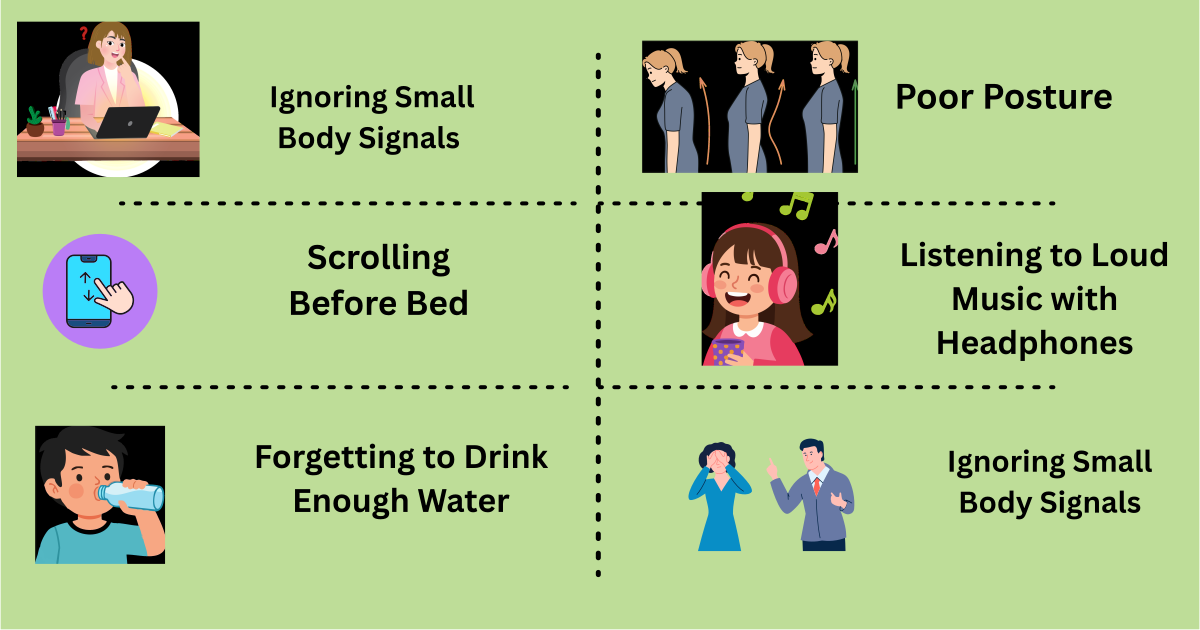
1. Ignoring Small Body Signals
Spending most of the day sitting reduces blood flow, weakens your muscles, and can lead to back pain. Long hours in one position also affect posture and mood.
What to do: Take short breaks every hour. Stand up, stretch, or walk for a few minutes to keep your body active.
2. Scrolling Before Bed
Checking your phone before sleep may seem harmless, but the blue light affects your sleep cycle. It signals your brain to stay awake, making it harder to fall asleep.
What to do: Avoid screens at least thirty minutes before bedtime. Use that time to relax, read, or simply rest your eyes.
3. Forgetting to Drink Enough Water
Many people mistake dehydration for tiredness or hunger. Lack of water can affect your focus, digestion, and even your skin health.
What to do: Keep a water bottle nearby and take regular sips throughout the day instead of waiting until you feel thirsty.
4. Poor Posture
Slouching while sitting or standing can lead to neck, shoulder, and back problems. It also affects how confident and alert you feel.
What to do: Sit straight with your shoulders relaxed. Adjust your workspace to support good posture.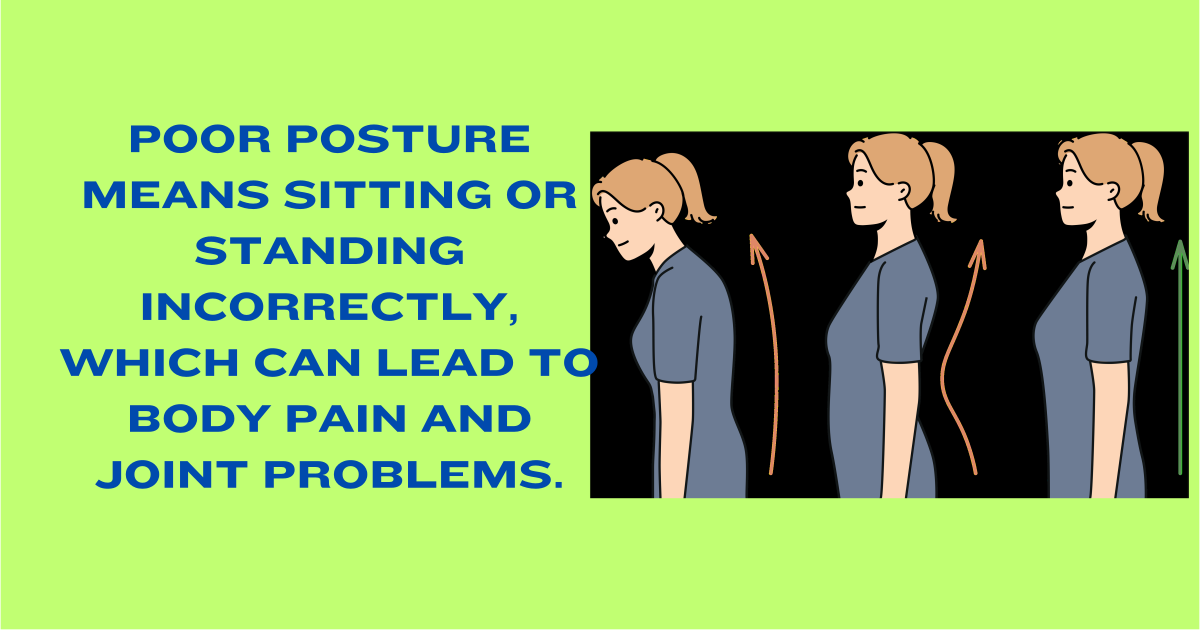
5. Skipping Meals or Eating Too Fast
Rushing through meals or skipping them can upset digestion and cause fatigue later in the day.
What to do: Try to eat slowly and mindfully. Focus on your meal instead of screens or distractions.
6. Keeping Stress Bottled Up
Ignoring emotional stress takes a toll on your physical health. It can cause headaches, sleep problems, and body tension.
What to do: Talk about what’s bothering you, write it down, or take a few minutes daily to breathe and relax.
7. Listening to Loud Music with Headphones
High volume over long periods can quietly damage your hearing.
What to do: Keep your device volume below sixty percent and take regular breaks from listening.
8. Forgetting Sunscreen
Even when it’s cloudy or you are indoors, UV rays can still damage your skin over time.
What to do: Apply a light sunscreen every morning to protect your skin from early aging and sun damage.
9. Overthinking and Multitasking
Trying to do too many things at once makes you mentally tired and less productive. Constant multitasking keeps your body in a state of stress.
What to do: Focus on one task at a time and give it your full attention. It helps you stay calm and efficient.
Additional Areas to Be Aware Of
Mental Health
Mental health is just as important as physical health, yet we often overlook it. The way you think, feel, and handle daily stress shapes your overall well-being. Taking small steps—like getting enough rest, talking about your feelings, and giving yourself time to relax—can make a big difference. It’s okay to slow down, take breaks, and protect your peace. Remember, caring for your mind isn’t a luxury; it’s a daily habit that helps you live a more balanced and happy life.
“Mental peace grows from consistent care, not occasional escape.”
Digital Life Style
Spending long hours on screens or constantly checking your phone can drain your focus and sleep quality. Try setting screen limits, using devices mindfully, and taking short breaks from technology to stay mentally fresh.
“Technology is a tool—don’t let it become your world.”
Sleep Hygiene
Sleep hygiene means building healthy habits that help you get good, restful sleep every night. It’s not just about how long you sleep but also about how well you sleep. Going to bed and waking up at the same time each day, keeping your bedroom calm and dark, and avoiding screens or caffeine before bed all make a big difference. Good sleep helps your body recover, improves focus, and supports emotional balance. When you take care of your sleep, your mind and body both thank you with more energy, patience, and clarity the next day.
“Sleep is the best form of self-care.”
Daily Self-Check
Ask yourself these simple questions at the end of each day:
- Did I drink enough water today?
- Did I take short breaks to move or stretch?
- Did I eat without distractions?
- Did I rest my mind when needed?
- Did I sleep enough hours?
Conclusion
Taking care of your body does not require major lifestyle changes. It starts with paying attention to small, everyday habits that often go unnoticed.
Be kind to your body and listen to what it tells you. Small adjustments made today can protect your health for years to come.
People often don’t realize the signs — constant tiredness, headaches, muscle pain, or lack of focus can all be early warnings from your body.
Yes. Overthinking, stress, and negative self-talk can impact your sleep, digestion, and even hormone balance.
Experts suggest limiting non-work screen time to under two hours a day, but what matters most is taking breaks and using screens mindfully.
Absolutely. Even mild dehydration can cause fatigue, headaches, and difficulty concentrating.
Stretching every hour, drinking enough water, eating balanced meals, sleeping on time, and spending time outdoors all make a big difference.
Because many signs—like tension, restlessness, or minor pain—feel small or “normal.” But your body always whispers before it screams; learning to listen early prevents bigger problems.
Yes, most of the time. With consistent care—like better posture, healthy eating, movement, and rest—your body can recover and rebuild strength over time.