How to Maintain Hygiene During Periods
Published: 7 May 2026
Periods are a natural part of life, but many girls and women feel uncomfortable during those days because of sweating, smell, irritation, cramps, or mood changes. Good hygiene during periods is very important because it helps you stay fresh, healthy, and confident. It can also protect you from infections, rashes, and discomfort.
Weather also affects period hygiene. In summer, sweating and heat can cause bad smell and itching. In winter, many women feel dryness, body pain, or difficulty keeping themselves clean because of cold weather. Every season needs a little different care. With simple habits and cleanliness, periods can become much easier to manage.
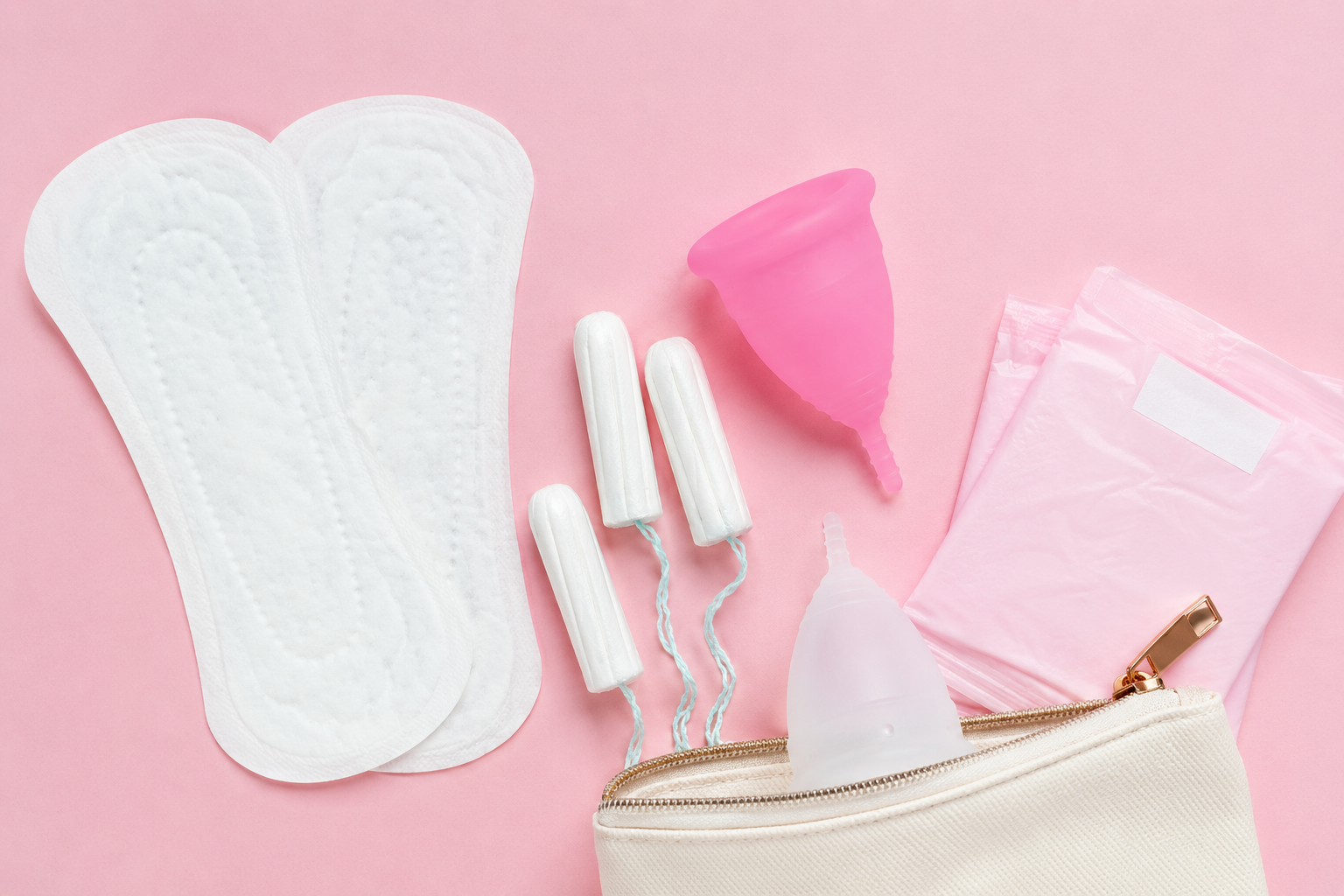
Why Period Hygiene Is Important
Keeping yourself clean during periods helps to:
- Prevent infections
- Reduce bad smell
- Avoid skin irritation and rashes
- Feel comfortable and fresh
- Improve confidence and mood
Ignoring hygiene for many hours can cause discomfort and health problems.
Change Pads or Products on Time
One of the most important hygiene habits is changing your pad or menstrual product regularly.
Common Problems
- Bad smell
- Wet feeling
- Skin rash
- Infection risk
Easy Solutions
- Change pads every 4–6 hours
- If bleeding is heavy, change sooner
- Never wear one pad the whole day
- Wash reusable cloth pads properly with soap and sunlight
- If using tampons or menstrual cups, clean and change them safely
Wash Your Intimate Area Properly
Cleaning the intimate area helps remove sweat and bacteria.
Common Mistakes
- Using strong soaps or perfumes
- Washing too much
- Keeping the area wet
Better Way
- Wash with clean lukewarm water
- Use mild, fragrance-free soap only outside the area
- Dry gently with a soft towel
- Avoid harsh sprays or scented products
Wear Comfortable Clothes
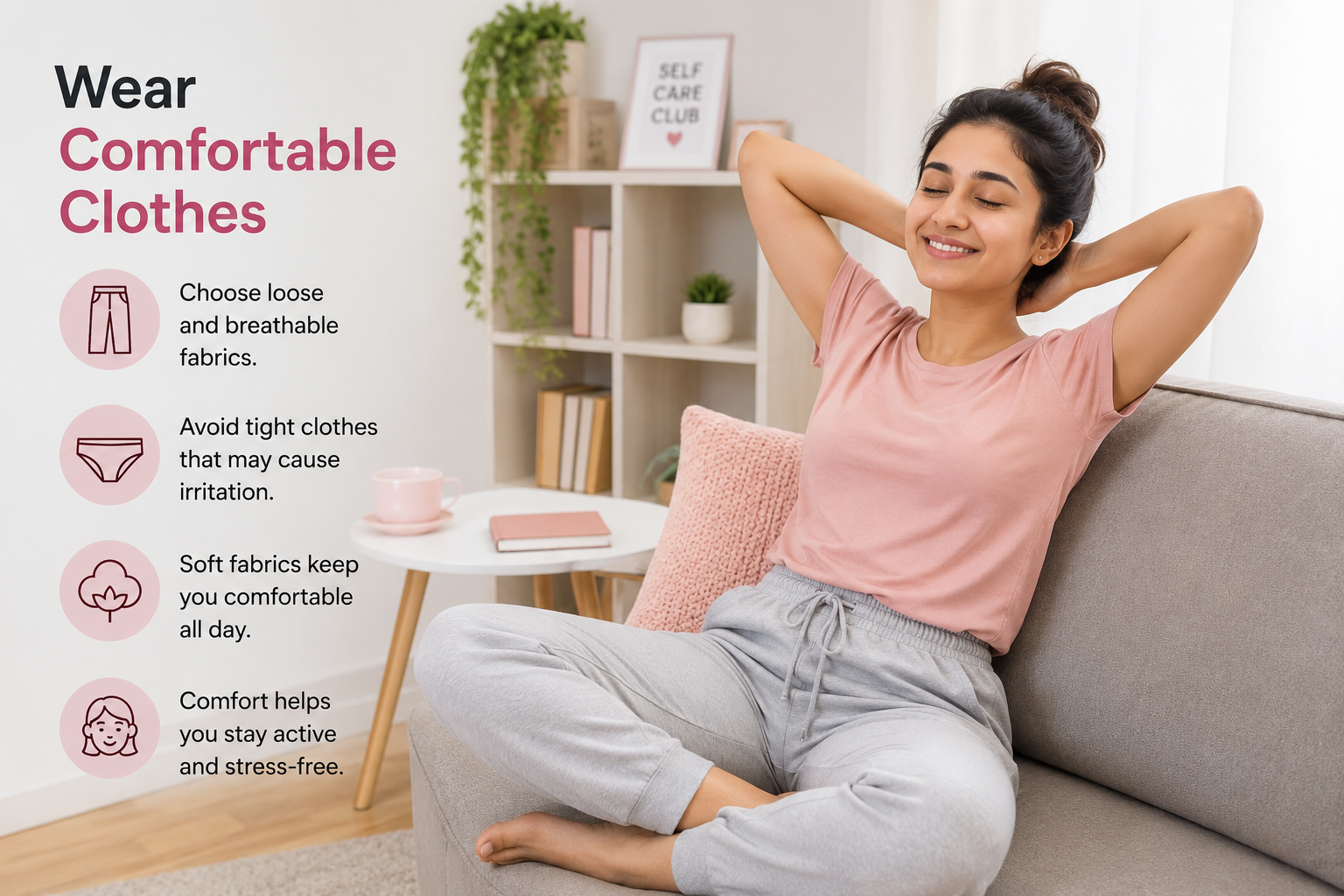
Tight clothes can increase sweating and irritation during periods.
In Summer
- Wear loose cotton clothes
- Choose breathable underwear
- Avoid very tight jeans for long hours
In Winter
- Wear warm but comfortable clothes
- Change damp clothes quickly
- Keep feet and body warm
Cotton underwear is best in every season because it absorbs moisture and keeps the skin comfortable.
Handle Sweat and Bad Smell in Hot Weather
Summer periods can feel more difficult because of heat and humidity.
Common Summer Problems
- Excess sweating
- Bad odor
- Itching and rashes
- Sticky feeling
Helpful Tips
- Take a shower daily if possible
- Change underwear regularly
- Carry extra pads when outside
- Drink more water
- Use clean tissues or wipes without alcohol or fragrance
Staying hydrated can also reduce tiredness and headaches.
Stay Clean During Cold Weather
In winter, many people avoid bathing because of cold weather, but hygiene is still important.
Common Winter Problems
- Feeling lazy to clean properly
- Dry skin
- Body pain
- Cold feet and cramps
Helpful Tips
- Use lukewarm water for cleaning
- Keep your body dry after washing
- Wear warm socks if feet feel cold
- Drink warm water or herbal tea
- Use a heating pad for cramps
Take Care of Your Skin
Some girls get rashes or pimples during periods.
Causes
- Sweat
- Wet pads for long hours
- Hormonal changes
Solutions
- Change pads regularly
- Keep skin dry
- Wear soft cotton underwear
- Wash face gently twice a day
- Avoid scratching irritated skin
If rashes become severe or painful, consult a doctor.
Eat Healthy Foods During Periods
Food also affects your comfort during periods.
Foods That Help
- Fruits and vegetables
- Yogurt
- Eggs
- Nuts
- Iron-rich foods like spinach
Avoid Too Much
- Junk food
- Very spicy foods
- Too much tea or coffee
- Sugary drinks
Healthy food can reduce weakness and improve mood.
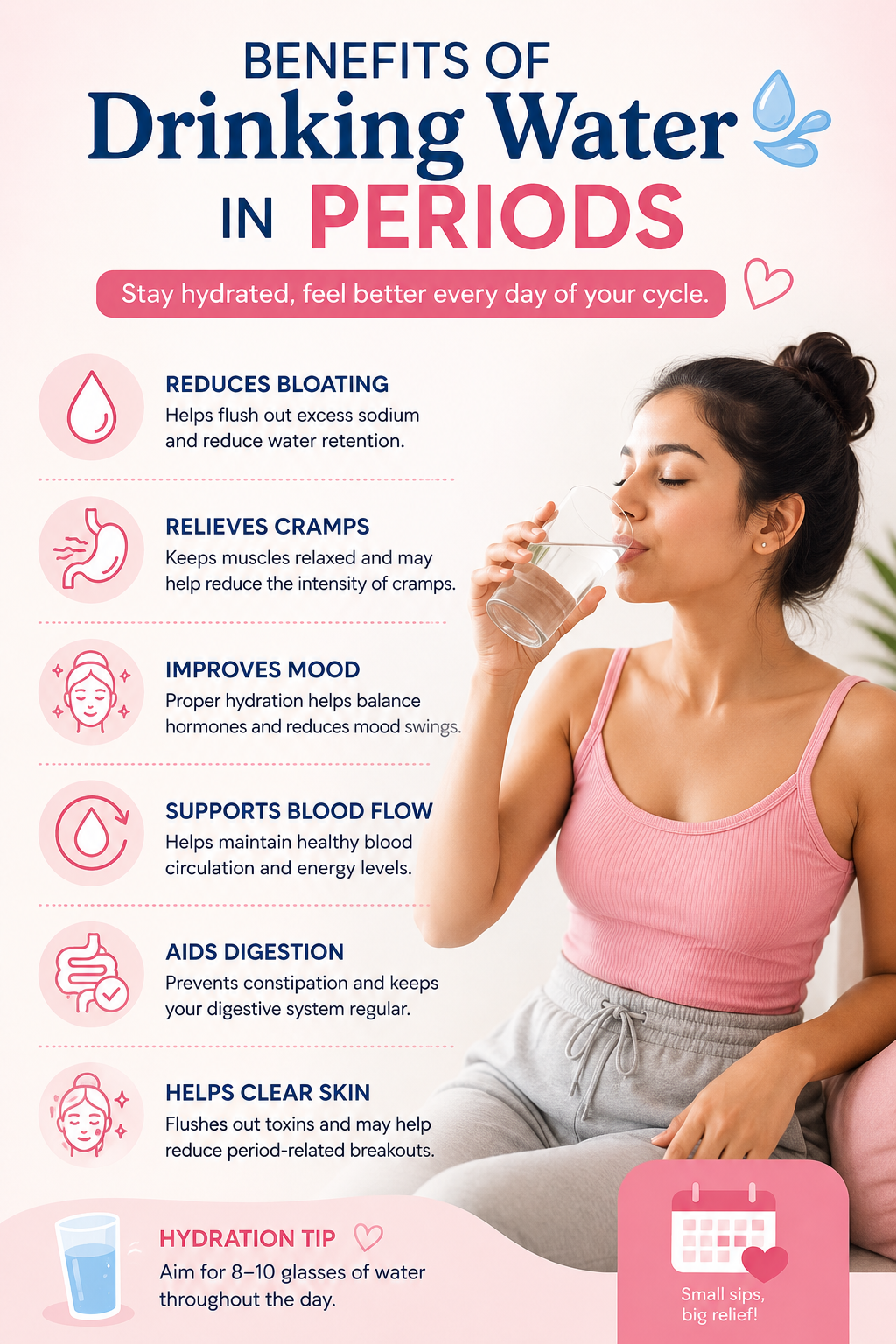
Drink Enough Water
Many women drink less water during periods, but hydration is very important.
Benefits of Drinking Water
- Reduces bloating
- Helps body stay fresh
- Improves energy
- Helps prevent headaches
Try to drink water regularly, especially in hot weather.
Rest and Sleep Properly
Your body needs more care during periods.
Helpful Habits
- Sleep on time
- Rest when feeling tired
- Do light walking or stretching
- Avoid too much stress
Good sleep can reduce mood swings and body pain.
When You Should See a Doctor
Sometimes period problems need medical attention.
Consult a Doctor If
- There is very heavy bleeding
- Bad smell continues even after cleaning
- Severe itching or burning happens
- Period pain becomes unbearable
- Fever or unusual discharge appears

These symptoms may be signs of infection or another health issue.
Final Thoughts
Periods can feel uncomfortable, but simple hygiene habits make a big difference. Cleanliness, healthy food, enough water, and proper care according to the weather can help you stay comfortable and confident. In summer, focus more on sweat and freshness. In winter, focus on warmth and regular cleaning.
Every girl and woman deserves to feel healthy and comfortable during periods. Small daily habits can protect both your hygiene and your health.
Yes, mild cramps are common during periods because the uterus contracts to remove its lining.
You can feel better by:
- Drinking enough water
- Using a heating pad
- Resting properly
- Doing light exercise
If the pain becomes very severe or stops daily activities, it is better to talk to a doctor.
Most women should drink around 8–10 glasses of water daily during periods.
Water helps:
- Reduce bloating
- Improve energy
- Prevent headaches
- Keep the body fresh and hydrated
Warm water can also help relax muscles and reduce cramps.
Healthy foods can make periods easier and improve mood. Good choices include:
- Fruits and vegetables
- Yogurt and milk
- Eggs and fish
- Nuts and seeds
- Iron-rich foods like spinach
Try to avoid too much junk food, salty snacks, and soft drinks.
Yes, light exercise is safe and helpful during periods.
Activities like:
- Walking
- Stretching
- Yoga
- Light workouts
can reduce cramps, improve mood, and increase blood flow.
- Pads should usually be changed every 4–6 hours.
- Tampons should not stay longer than 8 hours.
- Menstrual cups should be cleaned properly and emptied every 6–12 hours depending on flow.
Keeping good hygiene helps prevent bad smell, irritation, and infections.