How to Build a Professional Personality
Published: 8 Jun 2026
In today’s competitive world, technical skills alone are not enough to guarantee success. Whether you are applying for a job, running a business, studying at a university, or building a personal brand, your personality plays a significant role in how others perceive you. A professional personality can help you gain trust, earn respect, and create opportunities that may not be available to others.
A professional personality is not something people are born with. It is a combination of habits, behaviors, communication skills, attitude, and personal values that can be developed over time. People with professional personalities are often viewed as confident, dependable, disciplined, and capable of handling challenges effectively.
The good news is that anyone can develop a professional personality with consistent effort and self-improvement. In this guide, we will explore practical ways to build a strong professional image that can help you succeed in both your personal and professional life.
What Is a Professional Personality?
A professional personality refers to the qualities and behaviors that reflect competence, confidence, integrity, and respect for others. It influences how people interact with you and can significantly impact your career growth and relationships.
A professional person is typically:
- Reliable and responsible
- Respectful toward others
- Confident without being arrogant
- Honest and trustworthy
- Emotionally mature
- Open to learning and improvement
Developing these qualities can help you stand out in any environment.
1. Build Strong Self-Confidence
Confidence is one of the most important traits of a professional personality. When you believe in your abilities, people are more likely to trust your decisions and opinions.
Self-confidence does not mean thinking you are better than others. Instead, it means having faith in your skills while remaining humble and willing to learn.
Ways to Build Confidence
- Identify and develop your strengths.
- Set realistic goals and achieve them step by step.
- Learn from failures instead of fearing them.
- Speak clearly and maintain eye contact.
- Avoid negative self-talk.
- Celebrate your achievements, no matter how small.
Confident individuals often inspire trust and leave a positive impression on those around them.
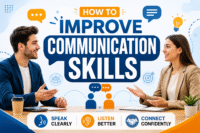
2. Improve Your Communication Skills
Communication is the foundation of professional success. Even the most talented individuals may struggle if they cannot communicate their ideas effectively.
Professional communication involves speaking clearly, listening actively, and expressing yourself respectfully.
Tips for Effective Communication
- Listen carefully before responding.
- Speak with clarity and confidence.
- Use positive and respectful language.
- Avoid interrupting others.
- Ask questions when clarification is needed.
- Improve your writing skills for emails and reports.
Strong communication skills can help you build relationships, resolve conflicts, and present your ideas more effectively.
3. Maintain a Professional Appearance
People often form opinions within seconds of meeting someone. While appearance is not everything, it does contribute to first impressions.
Looking professional shows that you respect yourself and the people around you.
Professional Appearance Checklist
- Wear clean and appropriate clothing.
- Maintain good personal hygiene.
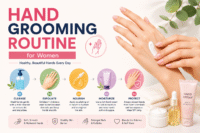
- Keep your hair neat and well-groomed.
- Practice good posture.
- Choose accessories that complement your appearance.
- Dress according to the occasion or workplace culture.
Remember, professionalism is not about expensive clothing—it’s about looking neat, organized, and presentable.
4. Develop a Positive Attitude
A positive attitude can make a significant difference in both your personal and professional life. Employers, clients, and colleagues generally prefer working with people who remain optimistic and solution-focused.
Positive individuals are often better at handling stress and adapting to change.
How to Develop Positivity
- Focus on solutions rather than problems.
- Practice gratitude every day.
- Surround yourself with supportive people.
- Learn from criticism instead of taking it personally.
- Stay motivated by focusing on long-term goals.
A positive mindset helps you stay productive even during difficult situations.
5. Strengthen Your Work Ethics
Strong work ethics are a hallmark of professionalism. They demonstrate your commitment, responsibility, and dedication to excellence.
People with good work ethics are trusted because they consistently deliver quality results.
Essential Work Ethics
- Be punctual and reliable.
- Complete tasks on time.
- Take responsibility for mistakes.
- Stay honest and transparent.
- Maintain professionalism under pressure.
- Respect workplace policies and procedures.
Your reputation is built through your actions, and strong work ethics contribute significantly to long-term success.
6. Improve Emotional Intelligence
Emotional intelligence is the ability to understand and manage emotions—both your own and those of others.
Professionals with high emotional intelligence tend to have stronger relationships, better teamwork skills, and improved leadership abilities.
Key Components of Emotional Intelligence
- Self-awareness
- Self-control
- Empathy
- Social skills
- Adaptability
When you understand how emotions affect behavior, you can communicate more effectively and handle challenging situations with maturity.
7. Learn Time Management Skills
Successful professionals understand the importance of managing their time effectively. Poor time management can lead to missed deadlines, stress, and reduced productivity.
Time Management Tips
- Create daily and weekly plans.
- Prioritize important tasks.
- Avoid unnecessary distractions.
- Break large projects into smaller tasks.
- Use productivity tools and calendars.
- Review your progress regularly.
Managing your time wisely helps you stay organized and achieve more in less time.
8. Continue Learning and Growing
The most successful professionals never stop learning. Continuous improvement keeps your knowledge current and helps you adapt to changing industries and technologies.
Ways to Invest in Personal Growth
- Read books related to your field.
- Attend workshops and seminars.
- Take online courses.
- Learn new technical and soft skills.
- Seek guidance from mentors.
- Stay updated with industry trends.
A commitment to lifelong learning demonstrates ambition and professionalism.
9. Build Strong Professional Relationships
Networking is not just about meeting people—it is about building meaningful relationships based on trust and mutual respect.
Strong professional connections can create opportunities for collaboration, mentorship, and career advancement.
Networking Strategies
- Attend professional events.
- Participate in online communities.
- Stay connected with colleagues.
- Offer support and assistance when possible.
- Follow up after meetings.
- Maintain genuine relationships.
The stronger your network, the greater your opportunities for growth.
10. Practice Integrity and Honesty
Integrity is one of the most respected qualities in a professional personality. It means doing the right thing even when nobody is watching.
People are more likely to trust and respect individuals who consistently act with honesty and fairness.
Ways to Demonstrate Integrity
- Keep your promises.
- Admit mistakes when they happen.
- Be truthful in your communication.
- Treat everyone fairly.
- Maintain confidentiality when required.
- Stand by your values and principles.
A reputation built on integrity can open doors throughout your career.
Key Characteristics of a Professional Personality
A truly professional individual often demonstrates the following qualities:
- Confidence
- Reliability
- Discipline
- Respectfulness
- Accountability
- Honesty
- Adaptability
- Emotional intelligence
- Strong communication skills
- Continuous learning mindset
Benefits of Building a Professional Personality
Developing a professional personality can lead to numerous advantages:
- Greater self-confidence
- Better career opportunities
- Stronger relationships
- Improved leadership skills
- Increased trust and credibility
- Better problem-solving abilities
- Enhanced personal growth
- Higher chances of long-term success
Final Thoughts
Building a professional personality is an ongoing process that requires dedication, self-awareness, and a willingness to grow. It is not about pretending to be someone else; it is about becoming the best version of yourself. By improving your confidence, communication, appearance, attitude, emotional intelligence, and work habits, you can create a powerful professional image that earns respect and opens doors to new opportunities.
Remember, professionalism is reflected in your daily actions. Small improvements made consistently over time can lead to remarkable personal and professional growth. Start today, stay committed to self-improvement, and watch your professional personality transform into one of your greatest strengths.